Among the countless cultivated petunias sold in garden centers around the world, almost none resemble the wild red star petunia species exserta. Modern hybrid petunias are highly modified ornamental plants bred for large flowers, compact growth, and extreme color variation. Hidden behind those hybrids is a much smaller group of wild South American species that started it all.
One of the most unusual and scientifically important of this group is Petunia exserta.
Petunia exserta is considered one of the rarest petunia species in existence. Native only to a tiny region of southern Brazil, it is famous for several unique traits: it is the only naturally red-flowered petunia species, the only wild petunia primarily pollinated by hummingbirds, and one of the clearest examples of pollinator-driven evolution within the genus.
Its discovery dramatically changed scientific understanding of petunia evolution and pollination syndromes.
Discovery of Petunia exserta
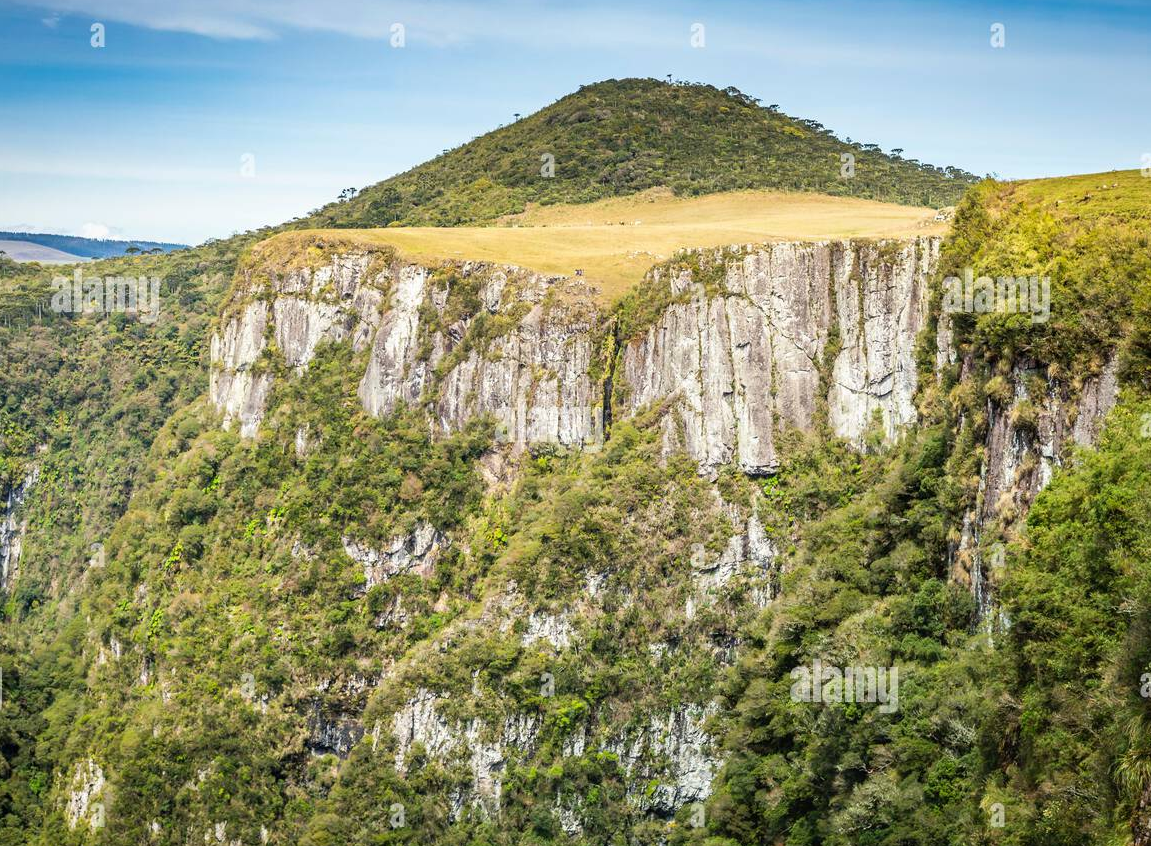
Petunia exserta was formally described in 1987 after being discovered growing in isolated sandstone formations in the Serra do Sudeste region of Rio Grande do Sul, Brazil. Unlike most petunia species, which grow in more open grassland habitats, P. exserta survives in shaded rock shelters and cliff crevices.
Its restricted habitat immediately drew scientific attention because the species appeared highly isolated both geographically and ecologically. Even today, its natural range remains extremely small, with populations limited to fragmented rocky environments in the Brazilian Pampa grasslands.
The species name “exserta” refers to one of its defining features: exserted reproductive organs. The stamens and stigma extend outward beyond the floral tube, an adaptation commonly associated with bird pollination.
The Only Naturally Red Petunia
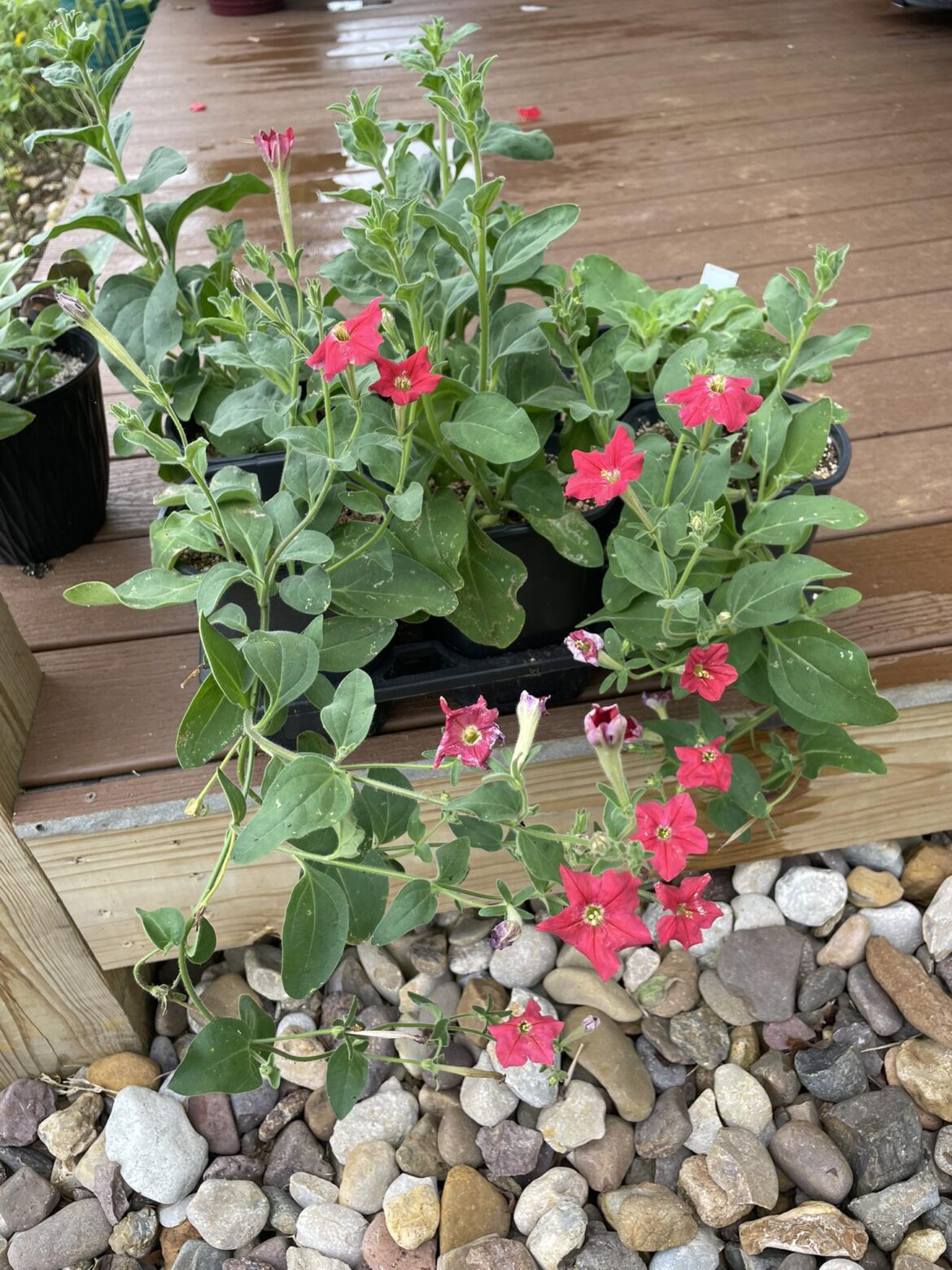
Petunia exserta is best known for its vivid red flowers.
This characteristic is remarkable because most wild petunia species display white, pink, purple, or violet flowers pollinated by insects such as bees or hawkmoths. Red coloration is exceptionally rare within the genus.
The evolution of red flowers in P. exserta became a major research subject because petunias historically lacked the typical anthocyanin pathways used by many other red-flowered plants. Researchers discovered that P. exserta evolved its coloration through a complex genetic reorganization involving altered expression of pigment-producing genes rather than the simple acquisition of a standard red pigment pathway.
Its flowers are generally:
- Bright crimson to scarlet red
- Star-shaped
- Narrowly tubular
- Unscented
- Positioned outward from the plant
Unlike white night-scented petunias that attract moths, P. exserta produces little fragrance because hummingbirds rely primarily on vision rather than scent.
Hummingbird Pollination and Evolution
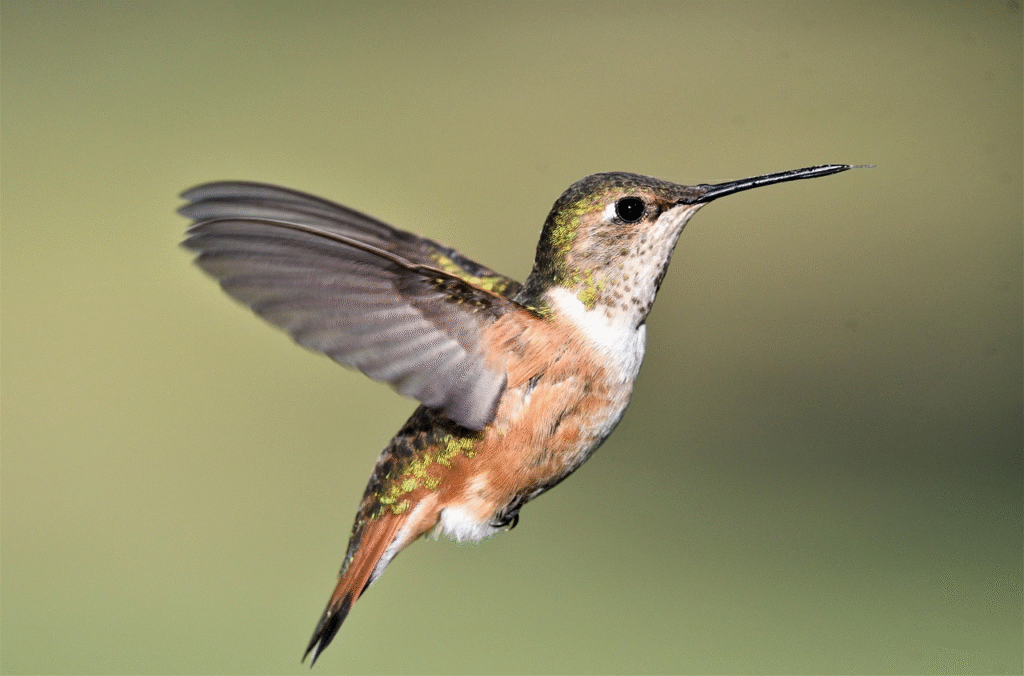
Perhaps the most important feature of Petunia exserta is its pollination syndrome.
Most petunia species are adapted to bees or hawkmoths:
- Bee-pollinated species usually have purple flowers with UV nectar guides
- Hawkmoth-pollinated species often have white fragrant flowers that open prominently at dusk
Petunia exserta diverged from this pattern entirely.
Its bright red flowers, protruding stamens, reduced scent production, and floral structure all correspond closely to hummingbird pollination traits. Scientific studies identify it as the only naturally hummingbird-pollinated species within the genus Petunia.
This made the species extremely valuable to evolutionary biologists studying how pollinators influence speciation.
Researchers investigating P. exserta found that changes in flower color, nectar presentation, scent production, and reproductive structure are genetically linked. These linked traits help maintain reproductive isolation between species even when hybridization occasionally occurs.
Petunia exserta is now considered one of the clearest model systems for studying pollinator-driven plant evolution.
Habitat and Ecological Isolation
One reason P. exserta remained undiscovered for so long is its unusual habitat.
The species grows almost exclusively inside shaded sandstone shelters and narrow cliff recesses where environmental conditions differ substantially from the surrounding grasslands. These rocky formations create cooler, protected microclimates with reduced competition from other plant species.
This habitat specialization may have helped preserve the species despite its extremely limited range.
Scientists believe ecological isolation likely played a major role in the evolution of P. exserta. While closely related species occupy nearby open environments, P. exserta persists within protected rock structures that function almost like natural islands.
Because populations are fragmented and small, the species is especially vulnerable to:
- Habitat destruction
- Climate change
- Genetic bottlenecks
- Hybridization with related species
Hybridization With Other Petunias
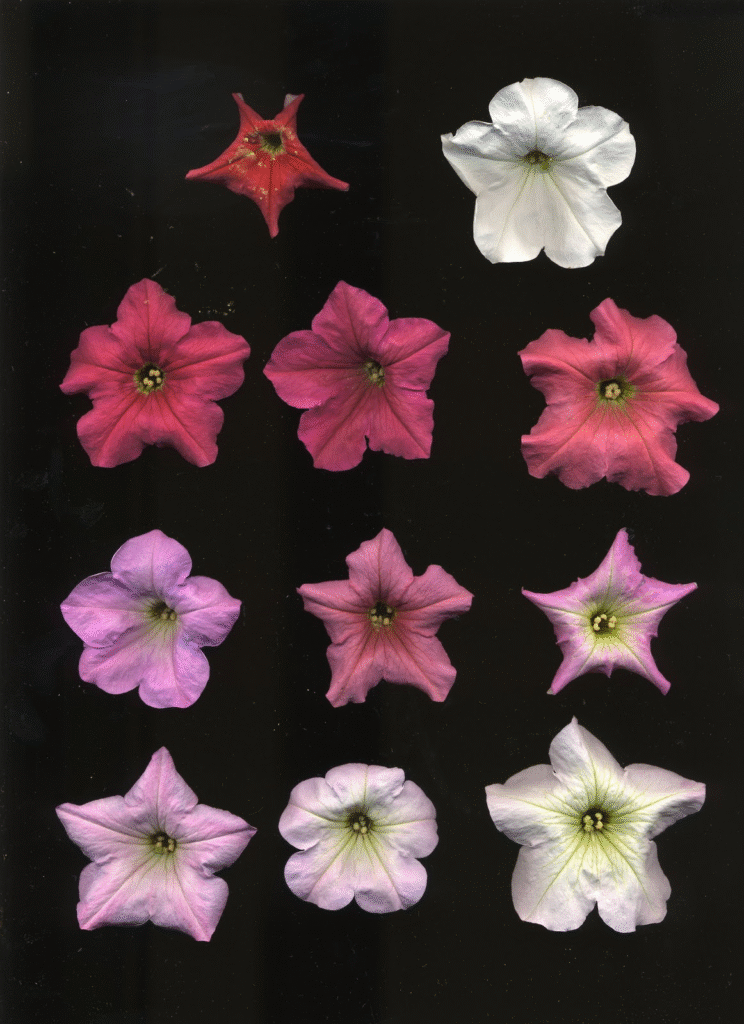
Although Petunia exserta is genetically distinct, it can still hybridize with other petunia species under natural and experimental conditions.
The species most commonly associated with hybridization is Petunia axillaris, a white-flowered moth-pollinated species believed to be one of its closest relatives. Studies have documented naturally occurring hybrids in overlapping regions.
This hybridization has become scientifically important because it allows researchers to study how species boundaries persist even when gene flow occurs.
Some traits from P. exserta remain conserved despite hybridization:
- Red pigmentation
- Pistil exsertion
- Pollinator preference
- Floral morphology
This suggests that natural selection continues to reinforce distinct pollination strategies.
For plant breeders and hobbyists, P. exserta has also become attractive because it introduces unusual red coloration and unique floral structures into hybrid breeding projects.
Importance in Genetic Research
Petunias have long served as model organisms in plant genetics. Petunia exserta expanded that importance significantly.
Modern research involving P. exserta includes:
- Pollination biology
- Evolutionary genetics
- Anthocyanin biosynthesis
- Speciation mechanisms
- Chloroplast genome sequencing
- Reproductive isolation studies
Its chloroplast genome has been fully sequenced, helping researchers compare evolutionary relationships within the Solanaceae family. Studies show the species is closely related to cultivated petunia hybrids and shares ancestry with several South American Petunia species.
Because its evolutionary divergence appears relatively recent, P. exserta provides an unusually clear window into early-stage speciation.
Conservation Status
Petunia exserta is considered endangered in the wild due to its extremely restricted natural distribution and small population size.
Researchers estimate that wild populations occupy only a very limited area within southern Brazil. Some surveys have reported alarmingly low numbers of naturally occurring individuals.
Conservation concerns include:
- Habitat degradation
- Quarrying and land disturbance
- Population fragmentation
- Genetic introgression from hybridization
- Environmental instability
Despite these threats, the species has become increasingly popular among collectors and specialty growers, which may help preserve cultivated genetic lines outside its native habitat.
However, conservationists stress that preserving the wild populations remains essential because cultivated material may not fully represent the genetic diversity of natural populations.
Petunia exserta in Horticulture
Although rare, Petunia exserta has gained a modest following among collectors interested in species petunias and plant breeding.
Compared to commercial petunias, it often appears:
- Taller and leggier
- More delicate
- Less floriferous
- More naturalistic in form
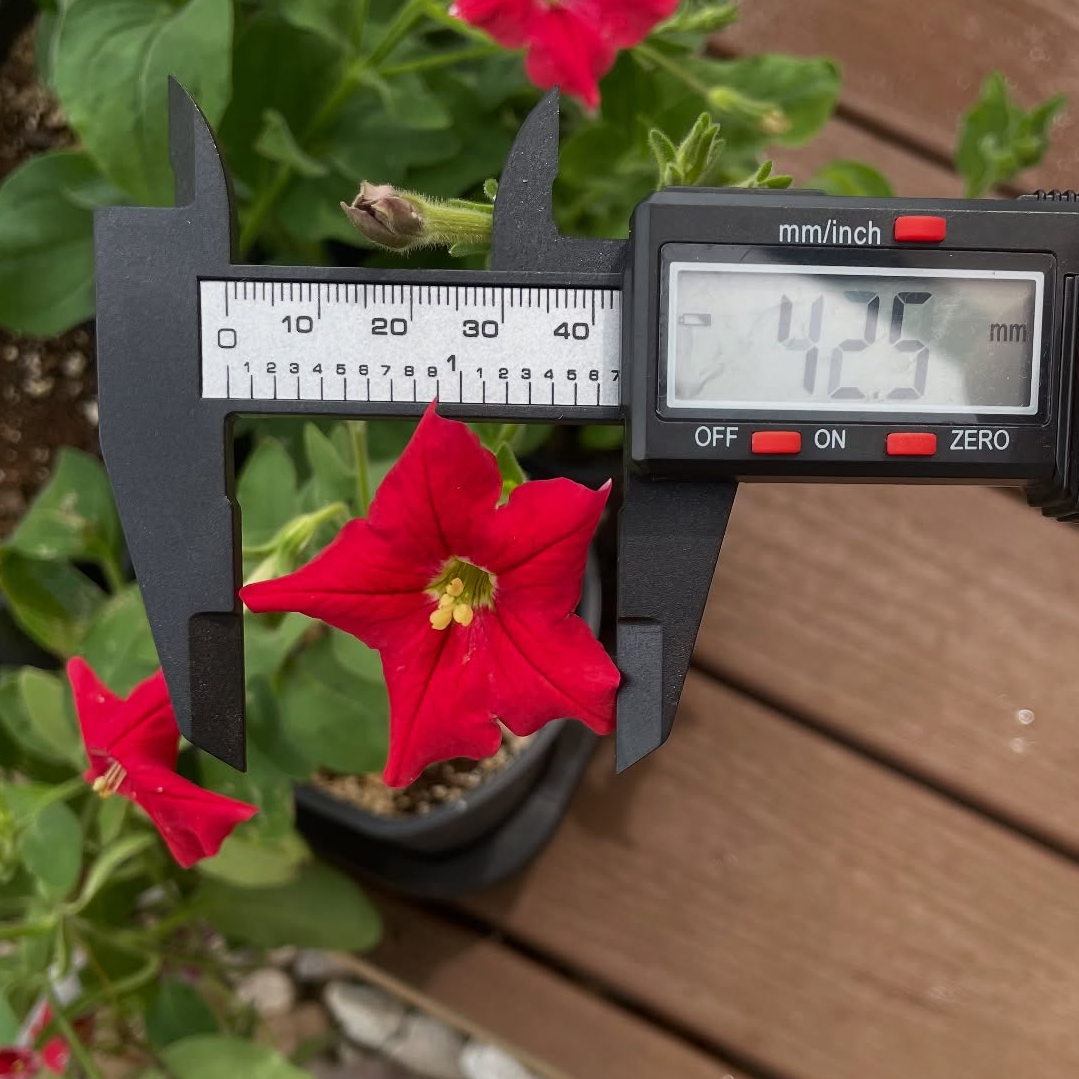
Its flowers are generally smaller than modern hybrid petunias, but their intense true red coloration gives the species a distinctive appearance unlike most ornamental varieties.
Growers interested in breeding often value P. exserta because it contributes:
- Unique flower pigments
- Bird-pollination traits
- Wild growth habits
- Genetic diversity absent from many commercial lines
Its rarity and scientific importance have made it increasingly sought after within specialty plant communities.
Why Petunia exserta Matters
Petunia exserta represents far more than a rare ornamental flower.
It is a living example of evolutionary change shaped by pollinators, habitat isolation, and genetic adaptation. Its existence challenged previous assumptions about petunia coloration, pollination systems, and speciation.
For botanists, it remains one of the most informative wild petunia species ever discovered.
For breeders, it offers genetic traits rarely found in cultivated lines.
For conservationists, it is a reminder of how narrowly endemic species can persist unnoticed within highly specialized habitats for thousands of years.
And for gardeners, it stands as one of the most unusual and biologically significant petunias in the world.
Sources
- Oxford Academic — “So close, so far: spatial genetic structure and mating system in Petunia exserta”
- National Center for Biotechnology Information (NCBI/PMC) — “The complete chloroplast genome of Petunia exserta”
- The Plant Cell — “Complex evolution of novel red floral color in Petunia”
- Current Biology / ScienceDirect — “Tight Genetic Linkage of Prezygotic Barrier Loci Creates a Multifunctional Speciation Island in Petunia”
- Molecular Phylogenetics and Evolution — “Nuclear and plastid markers reveal the persistence of genetic identity”
- BMC Biology — “Genetic architecture of a pollinator shift and its fate in secondary hybrid zones of two Petunia species”
- PMC — “Speciation genes in the genus Petunia”
- Wikipedia — “Petunia exserta” summary and cited references
- Data harvested from a local cultivated group by Caleb Jones at Gen1 greenhouse
- Alamy Royality Free Images
- Pixabay Royality Free Images
- Joseph Tychonievich for the Petunia exserta x Petunia axillaris photo.