Overview
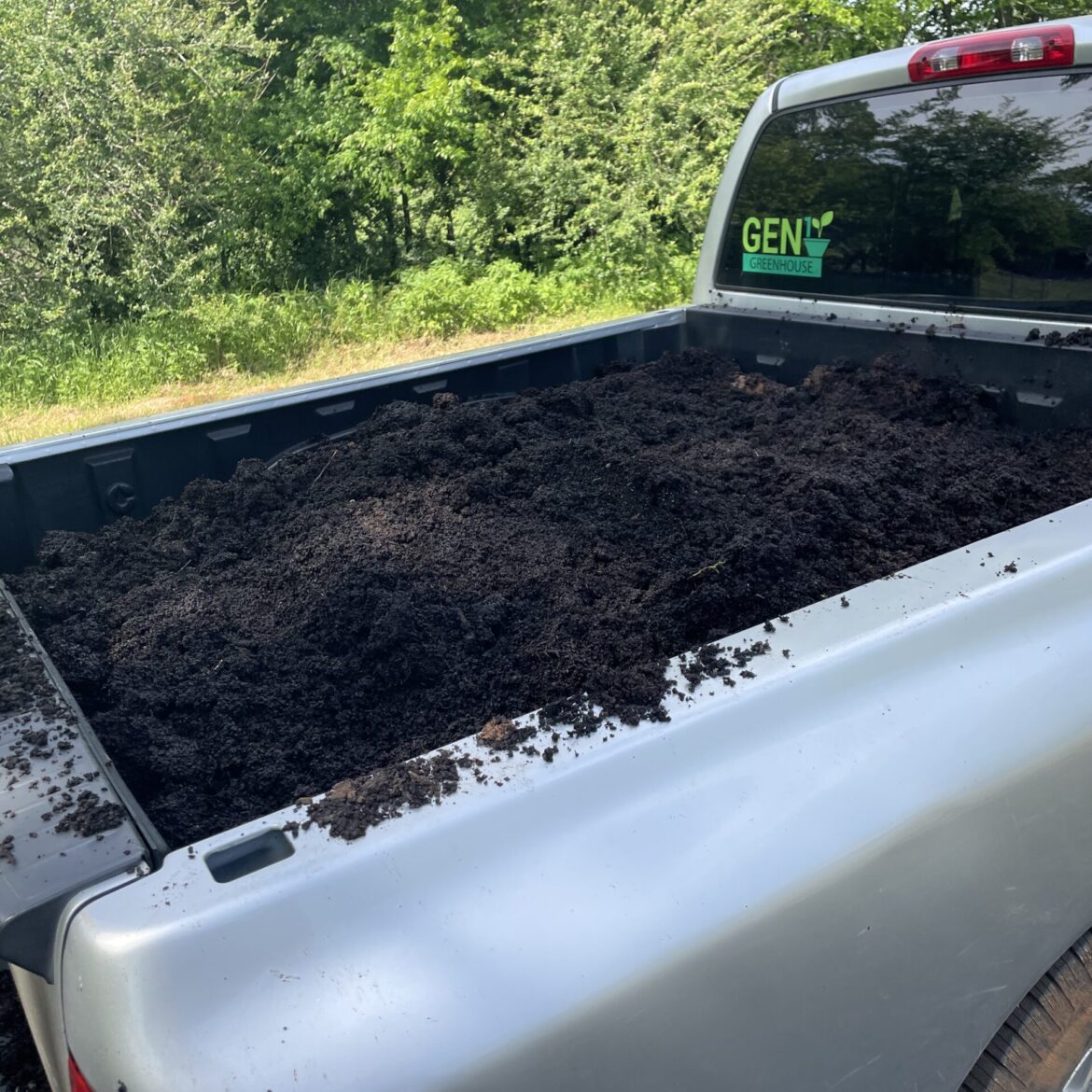
Composting is one of the most effective ways to improve your soil naturally. By recycling kitchen scraps, yard waste, and other organic materials, you can create a nutrient-rich amendment that strengthens your plants, boosts soil structure, and supports long-term garden health.
For beginners, composting may seem complicated, but the truth is that anyone can do it. Whether you garden on a small porch or several acres, there is a composting method that will fit your lifestyle. This guide explains the basics and introduces three beginner-friendly ways to start composting at home.
What You Can Compost
Successful composting begins with knowing what to include. All compost systems rely on two types of ingredients:
Greens (Nitrogen-Rich)
Fruit and vegetable scraps
Fresh grass clippings
Coffee grounds and filters
Eggshells
Green plant trimmings
Browns (Carbon-Rich)
Dry leaves
Cardboard and shredded paper
Straw
Untreated wood chips
Sawdust from untreated wood
Avoid meat, dairy, oily foods, diseased plants, and pet waste, as these can attract pests or cause odors.
Method 1: The Compost Pile
Best For:
Gardeners with outdoor space who want the simplest, most traditional method.
How It Works:
A compost pile is built directly on the ground, allowing worms and beneficial microbes to help break down material naturally.
Steps:
- Select a shady or partially shaded corner of your yard.
- Start with a base layer of coarse browns like small branches to improve airflow.
- Add alternating layers of greens and browns.
- Keep the pile lightly moist.
- Turn the pile every 1–2 weeks to speed decomposition.
Pros:
- No cost to start
- Handles large volumes
- Fast decomposition when turned regularly
Cons:
- Requires space
- More visible than enclosed systems
Method 2: Compost Bin or Tumbler
Best For:
Gardeners wanting a tidy, contained system that controls odors and pests.
How It Works:
Bins and tumblers enclose compost materials, maintain heat, and make turning easier.
Steps:
- Place your bin in a sunny or partially sunny location.
- Add greens and browns as they accumulate.
- Keep the contents damp but never waterlogged.
- Turn or tumble every few days to introduce oxygen.
Pros:
- Clean and organized appearance
- Faster decomposition
- Pest-resistant
Cons:
- Limited capacity
- Requires an initial investment
Method 3: Trench Composting
Best For:
Gardeners who prefer a low-maintenance, no-turning method.
How It Works:
Materials decompose underground, directly enriching the soil where you will later plant.
Steps:
- Dig a trench 8–12 inches deep.
- Add kitchen scraps, spreading them in a thin layer.
- Cover with soil and allow the material to break down naturally.
Pros:
- Very easy
- No pile, no odor, no maintenance
- Adds nutrients directly into planting areas
Cons:
- Slower decomposition
- Not ideal for large amounts of waste
Tips for Successful Composting
- Maintain a good balance: about 2 parts browns to 1 part greens.
- Chop large pieces to help them break down faster.
- If compost smells unpleasant, add more browns.
- If decomposition seems slow, increase moisture and airflow.
- Keep meat, dairy, and oils out of your compost.
Why Composting Matters
Composting reduces household waste, enriches the soil, and improves overall plant health. In East Texas, where soils can vary widely from sandy to clay-heavy, compost is especially valuable. It improves drainage, increases organic matter, and helps soil hold nutrients that would otherwise wash away.
Whether you choose a simple pile, a tidy bin, or the hands-off trench method, composting is one of the most rewarding habits a gardener can adopt.