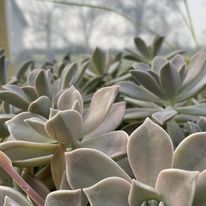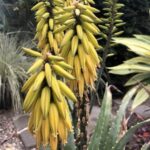
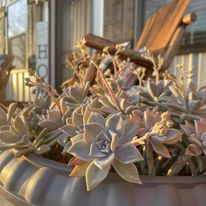
Graptopetalum is a genus of beautiful flowering succulents in the Crassulaceae family. Native primarily to Mexico, with some species extending into the southwestern United States, Graptopetalum is known for its fleshy leaves, attractive rosettes, colorful foliage, and unusual star-shaped flowers.
Graptopetalum species vary considerably in appearance. Some remain compact and nearly stemless, while others develop branching or trailing stems with rosettes growing at the ends. Their foliage can range from green and blue-gray to pink, lavender, bronze, and silvery shades, particularly when grown under strong light.
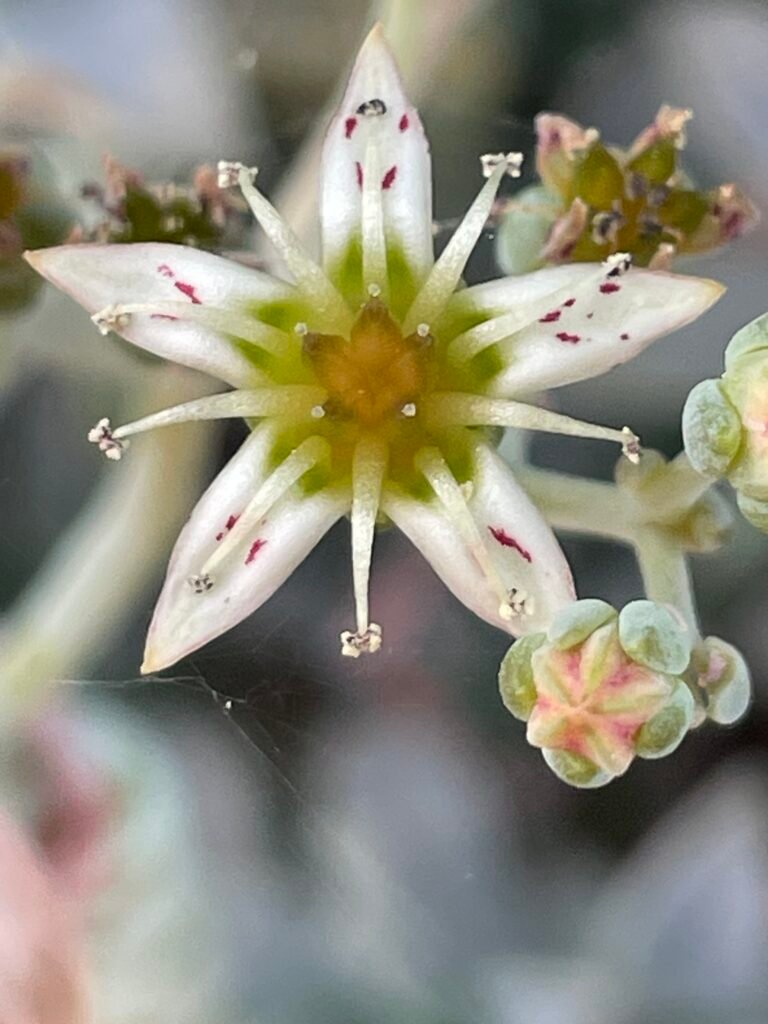
Often confused with Echeveria, Graptopetalum can be distinguished by several characteristics, including its flowers and inflorescences. Graptopetalum flowers commonly have petals joined near the base and marked with reddish, purple, or brown patterns.
With plenty of sunlight, excellent drainage, and careful watering, Graptopetalum is an easy and rewarding succulent genus to grow.
Graptopetalum Care at a Glance
Light: Bright light with several hours of direct sunlight each day.
Water: Water thoroughly when the soil has dried completely, then allow the soil to dry again before watering.
Soil: Use a very well-draining cactus or succulent growing medium.
Temperature: Graptopetalum prefers warm conditions and should be protected from prolonged freezing temperatures.
Fertilizer: Fertilize lightly during active growth.
Propagation: Many species can be propagated from leaves, stem cuttings, offsets, and seeds.
Best Uses: Containers, succulent gardens, rock gardens, hanging arrangements, and protected outdoor plantings.
About Graptopetalum
Graptopetalum is a genus of perennial succulent plants belonging to the Crassulaceae family. The genus contains roughly 20 or more recognized species, with its primary distribution in Mexico. Several species have highly restricted natural ranges and occur in rocky, mountainous, or otherwise difficult-to-access habitats.
The appearance of Graptopetalum varies significantly between species. Some form compact rosettes close to the ground, while others develop stems that may branch, trail, or eventually become somewhat shrub-like. Kew, for example, describes Graptopetalum macdougallii and Graptopetalum fruticosum as succulent subshrubs native to seasonally dry regions of Mexico.
Graptopetalum is particularly valued by succulent growers for its attractive foliage. Depending on the species and growing conditions, the leaves may develop shades of gray, blue-green, pink, lavender, bronze, or purple.
Graptopetalum vs. Echeveria
Graptopetalum and Echeveria are closely associated in cultivation and can look remarkably similar. Both genera belong to the Crassulaceae family and contain many rosette-forming succulents.
However, they are separate genera with different floral characteristics.
Graptopetalum flowers are typically star-shaped and commonly have petals that are joined near their bases. The petals frequently display contrasting reddish, purple, or brown markings.
Graptopetalum is also important in succulent hybridization. Several well-known cultivated hybrids have been produced by crossing Graptopetalum with related genera, including Echeveria and Sedum. These hybrids combine characteristics from their parent genera and are frequently encountered in the succulent trade.
Hardiness of Graptopetalum
Graptopetalum is generally best suited to warm climates and should not be considered a universally frost-hardy genus. Cold tolerance varies between species, and individual plants can also respond differently depending on their growing conditions.
Many Graptopetalum can tolerate cool temperatures when kept relatively dry, but prolonged freezing temperatures can cause severe damage.
In climates that experience regular winter freezes, growing Graptopetalum in containers is often the easiest solution. Containers can be moved into a protected location when freezing temperatures are expected.
For East Texas gardeners, Graptopetalum can be grown outdoors for much of the year, but protection from prolonged freezes and excessive winter moisture is recommended.
Light Requirements for Graptopetalum
Graptopetalum grows best in bright light. Several hours of direct sunlight each day will generally produce the strongest, most compact growth and can help bring out the natural coloration of the foliage.
Plants grown in insufficient light may become elongated and lose their compact rosette shape. This stretched growth is known as etiolation.
Although Graptopetalum enjoys strong sunlight, plants that have been grown indoors or under shade should be acclimated gradually before being placed in intense outdoor sunlight. Sudden exposure to strong sunlight can cause sunburn.
A bright south-, east-, or west-facing window can work well for indoor Graptopetalum, provided it receives enough direct sunlight. If natural light is insufficient, a grow light can help maintain compact growth.
Soil and Planting
Excellent drainage is essential for Graptopetalum.
Use a porous, well-draining cactus or succulent mix that allows excess water to drain rapidly. If using a standard potting mix, materials such as perlite, pumice, or coarse mineral amendments can be incorporated to improve drainage.
Avoid heavy soils that remain wet for extended periods. Graptopetalum stores water in its fleshy leaves and does not require constantly moist soil.
Always use containers with drainage holes. Decorative pots without drainage can still be used as outer containers, but the Graptopetalum itself should remain planted in a container that allows excess water to escape.
When planting a Graptopetalum rosette, avoid burying the stem or lower leaves too deeply in the soil. Good air circulation around the plant is especially beneficial in humid climates.
Watering Graptopetalum
Graptopetalum should be watered thoroughly, followed by a period in which the soil is allowed to dry completely.
Rather than watering on a fixed weekly schedule, check the growing medium before watering. If the soil is still moist, wait until it has dried before watering again.
When the plant needs water, thoroughly saturate the growing medium and allow excess water to drain from the bottom of the container.
The time between waterings will vary according to temperature, sunlight, humidity, soil composition, container size, and plant growth. Graptopetalum may require more frequent watering during periods of active growth and considerably less during cool or dormant periods.
Avoid keeping the soil constantly damp. Excess moisture, particularly when combined with poor drainage or cool temperatures, can lead to root and stem rot.
Fertilizing Graptopetalum
Graptopetalum does not require heavy fertilization.
During active growth, a light application of a balanced fertilizer or fertilizer formulated for cacti and succulents can encourage healthy growth. Follow the fertilizer manufacturer’s instructions and avoid applying excessive amounts.
Do not fertilize plants that are severely stressed, recently transplanted, or dormant. Allow newly transplanted plants time to establish roots before beginning a regular fertilization program.
Propagating Graptopetalum
Graptopetalum is one of the more rewarding succulent genera to propagate. Depending on the species or cultivar, plants can be propagated from leaves, stem cuttings, offsets, or seeds.
Propagating Graptopetalum from Leaves
Leaf propagation is particularly useful for many Graptopetalum.
Select a healthy, mature leaf and carefully remove it from the stem. Try to remove the entire leaf without damaging the base.
Allow the detached leaf to dry and callus for several days. Once the cut end has dried, place the leaf on top of a well-draining growing medium.
Under suitable conditions, roots and a small new rosette may eventually develop from the base of the leaf.
Not every leaf will successfully produce a new plant, and some species and cultivars are more reliable from leaf propagation than others.
Propagating Graptopetalum from Stem Cuttings
Stem cuttings are particularly useful for Graptopetalum species that develop long or branching stems.
Cut a healthy section of stem using a clean, sharp tool. Allow the cutting to dry and callus before placing it into a well-draining growing medium.
Once roots have developed, the cutting can begin producing new growth.
Stem cuttings are also useful for rejuvenating plants that have become excessively elongated from insufficient light.
Propagating Graptopetalum from Offsets
Some Graptopetalum species produce offsets around the base of the plant or along stems.
Once an offset is large enough to be handled safely, it can be separated from the parent plant and rooted separately.
Common Graptopetalum Problems
Most problems with Graptopetalum can be prevented by providing adequate light, excellent drainage, and appropriate watering.
Leggy growth: Usually indicates insufficient light. Move the plant to a brighter location and acclimate it gradually to direct sunlight.
Loss of color: Low light can cause colorful foliage to become greener and less intense. Increasing light can often improve coloration.
Soft or yellow leaves: Often associated with excessive moisture, poor drainage, or root problems. Check the growing medium and inspect the roots if the problem persists.
Shriveled leaves: Can indicate that the plant needs water, although some shriveling of older lower leaves is normal as the plant uses and replaces older foliage.
Sunburn: Sudden exposure to intense sunlight can cause pale, brown, or bleached patches on the leaves. Acclimate plants gradually when moving them into stronger light.
Rot: Constantly wet soil, poor drainage, and cool temperatures can create conditions that encourage root or stem rot. Remove affected tissue and correct the growing conditions as soon as possible.
Growing Graptopetalum in East Texas
Graptopetalum can perform well in East Texas when its growing conditions are carefully managed.
The region’s hot summers provide plenty of warmth and sunlight, but high humidity, heavy rainfall, and winter freezes can present challenges for succulents.
During the growing season, provide Graptopetalum with strong light and excellent drainage. Container cultivation is particularly useful because plants can be moved when prolonged rain or freezing temperatures are expected.
Avoid planting Graptopetalum in locations where water regularly collects. Raised beds, rocky soil, containers, and protected patios can provide better drainage than heavy native soil.
During periods of freezing weather, move container-grown plants into a protected location or provide appropriate frost protection. Keeping the plants relatively dry during cold weather is especially important.
Popular Graptopetalum Species
Several Graptopetalum species are cultivated by succulent enthusiasts.
Graptopetalum paraguayense, commonly called Ghost Plant or Mother-of-Pearl Plant, is one of the most widely grown species. It is known for its pale, powdery foliage and ability to produce long stems with rosettes at the ends.
Graptopetalum amethystinum, commonly called Lavender Pebbles, develops thick, rounded leaves that can display attractive lavender and pink coloration.
Graptopetalum bellum is a compact species known for its attractive rosette and showy flowers. It is native to Sonora and western Chihuahua in Mexico, where it grows primarily in desert or dry shrubland habitats.
Graptopetalum macdougallii is a distinctive species native to Oaxaca, Mexico. It is a succulent subshrub associated with seasonally dry tropical environments.
The genus continues to receive botanical study. A new species, Graptopetalum irmasoniae, was formally described from Oaxaca in 2023, demonstrating that the diversity of Graptopetalum is still being documented.
Where to Find Quality Graptopetalum
At Gen1 Greenhouse, we enjoy growing and propagating a variety of succulents, including Graptopetalum. Our selection changes throughout the year as plants become available.
Graptopetalum is an excellent choice for succulent arrangements, containers, rock gardens, and collectors who enjoy propagating their own plants.
Check our current inventory to see which Graptopetalum and other succulents are currently available.
Conclusion
Graptopetalum is a diverse and rewarding genus of succulents that offers an impressive variety of colors, growth habits, and forms.
The basic requirements are straightforward: provide plenty of bright light, use extremely well-draining soil, water thoroughly but allow the soil to dry between waterings, and protect plants from prolonged freezing temperatures.
Whether you are growing a compact rosette, a trailing Ghost Plant, or one of the less commonly cultivated species, Graptopetalum can make an excellent addition to a succulent collection.
With proper care, these unusual succulents can provide years of attractive growth and plenty of opportunities for propagation.