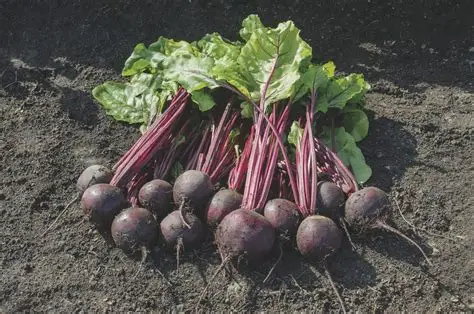
Beets are cool-season root vegetables that are relatively easy to grow from seed. Both the roots and young leaves are edible, making beets a productive addition to the home garden.
Beets develop their best color and texture under cool growing conditions. They perform particularly well during the cooler portions of the East Texas growing season.
Simplified Care Guide
Planting time: Late winter or fall
Germination: Usually about 5–14 days under favorable conditions
Seed depth: About ½ inch
Spacing: Thin to approximately 3 inches apart
Light: Full sun to partial shade
Soil: Loose, well-drained soil
Water: Keep evenly moist
Harvest: Pull roots when they reach the desired size; harvest greens while young
When to Sow Beet Seeds
Beets are a cool-season crop.
For East Texas, Texas A&M’s vegetable planting guide lists beets for February and March. Fall production is also possible, and Texas A&M’s broader Texas gardening recommendations provide fall planting windows for beets depending on the region.
Avoid planting beets during the hottest part of summer. High temperatures can slow root development and reduce quality.
Sowing Beet Seeds
Prepare the soil by removing rocks, roots, and large clods.
Sow beet seeds approximately ½ inch deep. Johnny’s Selected Seeds recommends sowing approximately 15 seeds per foot and thinning the plants to approximately 3 inches apart.
One unusual characteristic of beet seed is that what appears to be a single seed is often actually a cluster of multiple seeds. This means several seedlings may emerge from one planting spot.
Thin the seedlings carefully once they are large enough to handle.
Do not throw away the thinnings. Young beet greens are edible and can be used much like other tender greens.
Light Requirements
Beets grow well in full sun.
During cooler weather, give them as much direct sunlight as possible. In warmer weather, some afternoon shade can help extend the growing season.
Soil and Planting
The most important soil characteristic for beets is good structure.
Roots develop best in loose, relatively light soil that allows the root to expand without encountering rocks or compacted layers.
Johnny’s recommends light or loamy soils with a pH above 6.0.
Before planting, work the soil deeply enough to provide a loose root zone. Raised beds can be especially helpful where native soil is heavy or poorly drained.
Avoid excessive nitrogen fertilization. Too much nitrogen can encourage foliage at the expense of good root development.
Watering
Keep the soil consistently moist while beet seeds are germinating.
Once established, water whenever the upper layer of soil begins to dry. Consistent moisture is especially important while the roots are enlarging.
Avoid severe drought followed by heavy irrigation. Rapid changes in growing conditions can contribute to quality problems such as internal zoning or uneven root development.
Fertilizing
Beets generally perform well in fertile garden soil.
If your soil has been amended with compost, additional fertilizer may be minimal. A balanced vegetable fertilizer can be applied according to the label if soil fertility is low.
Do not over-fertilize with nitrogen.
If a soil test indicates deficiencies, correct them before planting rather than guessing at nutrient applications.
Thinning Beets
Thinning is one of the most important steps when growing beets from seed.
Because beet seed clusters can produce several seedlings, plants that initially appear properly spaced can become overcrowded.
Thin plants to approximately 3 inches apart if you want good-sized roots.
For baby beets, you can harvest some plants earlier and leave the remaining plants more room to mature.
Harvesting Beet Greens
Young beet leaves can be harvested while the roots are still developing.
Take only a few leaves from each plant at a time if you want the roots to continue developing.
For a dedicated greens crop, harvest young leaves when they are tender.
Harvesting Beet Roots
Beets can be harvested whenever the roots have reached the size you prefer.
Small beets are generally tender and sweet, while very large roots may become tougher depending on the variety and growing conditions.
Loosen the soil around the root and pull the beet carefully rather than aggressively pulling against compacted soil.
Succession Planting
For a continuous supply of young beets, sow additional seed every couple of weeks during the suitable growing season.
Johnny’s recommends successive sowings at approximately two-week intervals for continuous production of greens and small tender beets.
In East Texas, concentrate these plantings during the cooler portions of the year rather than attempting to maintain production through the hottest months.
Seasonal Care in East Texas
Beets are particularly useful for the East Texas fall, winter, and early spring garden.
Cool weather encourages good root development and color. As spring temperatures rise, harvest the remaining mature roots before prolonged heat reduces quality.
A fall planting can provide harvests through the cooler months, while late-winter planting can provide a spring crop.
Where to Find Quality Seeds
Gen1 Greenhouse offers vegetable seeds and gardening supplies for East Texas gardeners. Check our online store or visit our Nacogdoches nursery for current seasonal selections.
Summary
Beets are an excellent cool-season crop for East Texas. Plant them in loose soil, sow about ½ inch deep, keep the soil evenly moist, and thin seedlings so the roots have room to develop.
Remember that the beet plant gives you two crops: the nutritious greens above the soil and the colorful root below it.