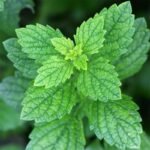
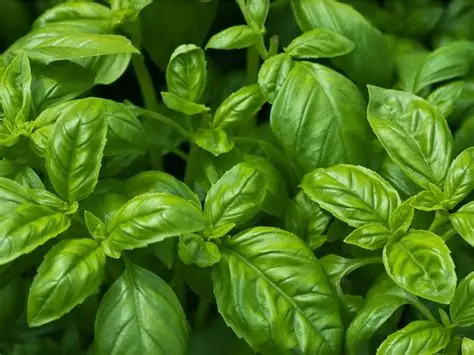
Pesto-type basil is a group of basil varieties selected for the large, flavorful leaves commonly used to make pesto, sauces, salads, and other dishes. These basils are generally forms or selections of Ocimum basilicum and are among the easiest culinary herbs to grow from seed.
Basil is a warm-season annual in East Texas. It grows rapidly in warm weather and can provide a continuous harvest when plants are regularly harvested.
Simplified Care Guide
Planting time: Spring after cold weather has passed
Germination: About 5–10 days
Seed depth: About ¼ inch
Spacing: 4–8 inches apart
Light: Full sun
Soil: Fertile, well-drained, consistently moist soil
Water: Water regularly; do not allow plants to become severely dry
Harvest: Begin light harvesting once established and harvest heavily before flowering
When to Sow Basil Seeds
Basil is sensitive to cold and should be planted after the danger of frost has passed.
For East Texas gardens, basil is generally planted in spring. Texas A&M’s East Texas vegetable planting guide lists basil primarily for April and May.
You can start basil indoors several weeks before planting outdoors, but basil also germinates quickly enough that direct sowing is usually practical once the soil has warmed.
Sowing Pesto Basil Seeds
Fill a seed tray or container with a fine, well-drained seed-starting medium.
Sow the seeds approximately ¼ inch deep and gently firm the soil over them. Keep the growing medium evenly moist but not waterlogged.
Basil seeds generally germinate in approximately 5–10 days when temperatures are around 65–70°F.
For direct sowing, plant several seeds together and thin the seedlings once they are established. Mature plants should generally be spaced about 4–8 inches apart for full, healthy plants.
Light Requirements
Pesto basil grows best in full sun.
Give the plants at least 6 hours of direct sunlight each day, with more sun generally producing strong, compact growth.
During extremely hot East Texas weather, plants may benefit from protection from intense late-afternoon heat, particularly if they are growing in containers.
Soil and Planting
Basil prefers moderately rich, well-drained soil.
Before planting, incorporate compost into poor soil to improve fertility and structure. Avoid heavy, poorly drained areas where water remains around the roots.
If growing basil in containers, use a quality potting mix rather than heavy garden soil.
Watering
Basil needs consistent moisture and does not tolerate prolonged drought particularly well.
Water when the soil begins to dry, giving the plants a thorough soaking rather than frequent shallow sprinkling.
Container-grown basil may require daily watering during periods of extreme East Texas heat.
Avoid keeping the foliage continuously wet, especially overnight, because prolonged leaf wetness can contribute to foliar disease.
Fertilizing
Pesto basil grows rapidly and benefits from adequate nutrition.
If the soil is fertile and amended with compost, heavy fertilization may not be necessary. Otherwise, apply a balanced fertilizer according to the product label.
Avoid excessive nitrogen, which can encourage soft, overly lush growth rather than the sturdy plants desirable for repeated harvesting.
Harvesting Basil
Begin light harvesting once plants are well established.
Pinch or cut stems just above a pair of leaves to encourage branching. Regular harvesting produces a fuller plant and provides a continuous supply of leaves.
For the largest harvest, cut the plants back before they flower. A full harvest can be made by cutting the plant several inches above the ground, leaving enough healthy stem and foliage for regrowth.
Basil leaves bruise easily, so handle them gently.
Preventing Basil from Flowering
Basil naturally begins producing flower buds as it matures.
Flowering does not make the plant unusable, but plants that are allowed to flower heavily often produce fewer large, tender leaves. If your primary goal is pesto production, remove flower buds as they appear.
If you want to save seed, allow some plants to flower and mature instead.
Seasonal Care in East Texas
Basil is a warm-season annual and will eventually decline when exposed to freezing temperatures.
For a longer harvest season, start new plants periodically during the warm growing season. You can also grow basil in containers and move them to a protected location during unusually cool weather.
In East Texas, the most productive period is generally the warm portion of the growing season.
Where to Find Quality Seeds
Gen1 Greenhouse offers seeds and gardening supplies selected with East Texas gardeners in mind. Check our online store or visit our Nacogdoches nursery for current availability.
Summary
Pesto basil is one of the easiest culinary herbs to grow from seed. Plant after cold weather has passed, provide full sun and consistent moisture, and harvest regularly to keep plants producing.
For the best pesto harvest, keep plants actively growing and pinch flower buds before they become dominant.