Native American Seed’s Caddo Mix is a blend of native annual and perennial wildflowers selected for the Piney Woods and savannahs extending from East Texas toward the Atlantic coast. It is particularly well suited to East Texas and can provide flowers over an extended portion of the growing season.
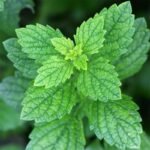
The Caddo Mix contains a diverse collection of native wildflowers, including black-eyed Susan, bergamot, pink evening primrose, purple coneflower, plains coreopsis, Indian blanket, lemon mint, standing cypress, partridge pea, and other species.
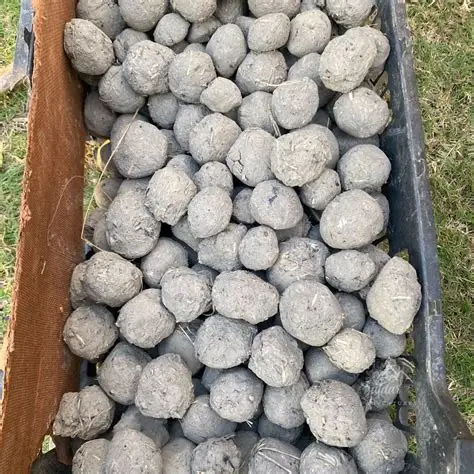
Seed balls provide a convenient way to distribute native seed, especially in places where conventional planting is difficult.
Simplified Planting Guide
Best planting time: Fall or appropriate spring planting window
Location: Bare or lightly vegetated soil
Light: Full sun is preferred, although the mix tolerates some partial shade
Soil: Existing native soil with reasonable drainage
Planting depth: Place seed balls on or partially into the soil; do not bury deeply
Water: Rainfall is normally sufficient after establishment
Maintenance: Control competing vegetation and allow flowers to mature and reseed
What Are Seed Balls?
A seed ball is a small ball of clay, organic material, and seed.
The clay protects the seed during handling and helps hold it in place until adequate moisture causes the ball to break down. Seed balls are particularly useful for difficult-to-reach locations, slopes, and areas where conventional seedbed preparation is impractical.
Native American Seed’s current seed-ball kit uses red earth clay and vermicompost with the selected native seed and recommends forming the mixture into approximately half-inch balls.
Choosing a Planting Location
Choose a location that receives sunlight and receives natural rainfall.
For the Caddo Mix, an open area with good sunlight is ideal. The current Native American Seed description lists full, partial, and dappled light conditions, along with a broad range of soil types including sand, loam, clay, and caliche.
The most important consideration is competition.
Seed balls should not simply be scattered into dense turf or an established bed of aggressive vegetation and expected to overcome the competition. Native seedlings are small when they first emerge and can easily be crowded out.
Preparing the Area
For the best results, prepare small areas of bare or lightly vegetated soil before distributing seed balls.
Remove dense grass and aggressive weeds where practical. You do not need to create a perfectly cultivated garden bed, but exposing some soil gives the seeds a much better opportunity to establish.
Avoid applying herbicides immediately before planting unless the product label specifically permits the timing and use.
How to Plant the Seed Balls
Place the seed balls directly on prepared soil.
They do not need to be buried deeply. In fact, burying them deeply can prevent the small seeds from receiving the light and oxygen they need to germinate.
You can gently press each seed ball into the soil so that it makes good contact with the ground.
Native American Seed recommends making the balls approximately ½ inch in diameter, allowing them to dry and harden, and then distributing them across the desired planting area.
Watering
After planting, rainfall will normally provide the moisture needed to soften the clay and begin germination.
If you are planting during an unusually dry period and can irrigate the area, occasional watering can improve establishment.
Do not keep the soil constantly saturated.
The goal is to provide enough moisture for the seed ball to break down and the seeds to germinate.
When to Plant
Fall is an especially useful time to plant many native wildflower seeds in East Texas.
Native American Seed specifically describes the Caddo Mix as a fall planting opportunity and notes that allowing the flowers to finish their life cycle and produce mature seed can result in a denser stand the following year.
Fall planting allows the seed to experience natural seasonal conditions before spring growth begins.
Spring planting can also work when weather and moisture conditions are appropriate.
What to Expect After Planting
Do not expect every seed ball to produce a plant.
A wildflower mix contains multiple species with different germination requirements, growth rates, and preferred conditions. Some plants may appear quickly while others take considerably longer.
The first season may therefore look less impressive than later seasons.
This is normal for a diverse native planting.
As perennial species establish their root systems and annual species produce seed, the planting can become more substantial over time.
Caring for the Wildflower Area
The most important maintenance task is controlling competition from aggressive weeds and grasses while the wildflowers establish.
Once established, avoid treating the area like a conventional flower bed that must remain perfectly manicured.
Allow the wildflowers to flower and produce mature seed.
Native American Seed specifically recommends allowing the annual species in the Caddo Mix to reseed before mowing.
If mowing is necessary, wait until the plants have finished flowering and dropped mature seed.
Avoiding Overwatering and Overfertilizing
Native wildflowers generally do not need the same intensive fertilization and irrigation used for vegetables or annual bedding plants.
Do not automatically fertilize the area simply because growth appears slow.
Excessive fertilizer can favor fast-growing weeds and grasses over the native wildflowers you are trying to establish.
Likewise, established native plants should generally be allowed to experience normal fluctuations in rainfall rather than being kept constantly irrigated.
Creating a Long-Term Wildflower Planting
A successful native wildflower planting is not necessarily created in a single season.
Some species will establish quickly while others may take longer. Annuals can reseed themselves, while perennial species gradually establish stronger root systems.
Over time, the composition of the planting may change as individual species respond to weather, soil, competition, and available moisture.
This natural variation is part of the character of a native wildflower planting.
Where to Find Caddo Mix Seed Balls
Gen1 Greenhouse offers gardening supplies and seasonal seed selections for East Texas gardeners.
Native American Seed’s Caddo Mix is specifically designed for the Piney Woods and savannah region and is a particularly appropriate native wildflower mix for East Texas.
Summary
Caddo Mix seed balls provide an easy way to introduce a diverse collection of native wildflowers into suitable areas.
Choose an open location, expose some soil, distribute the seed balls without burying them deeply, and allow rainfall to provide most of the moisture. The most important long-term step is to allow the flowers to mature and reseed before mowing.
With patience, the result can become a recurring native wildflower planting rather than a one-season flower display.