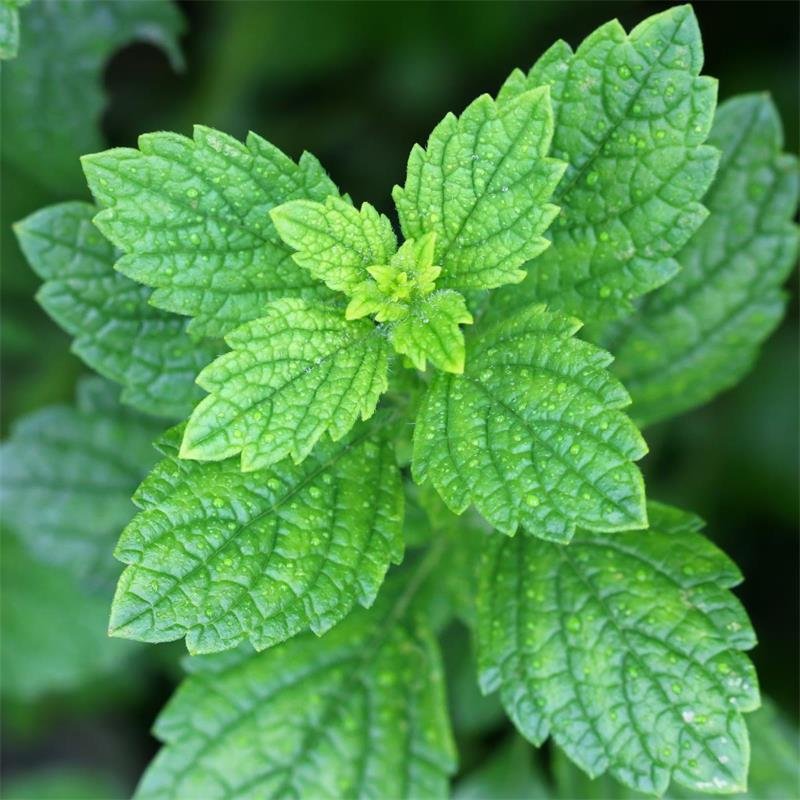
Mandarin lemon balm is a fragrant herb that combines the easy-growing nature of traditional lemon balm with a pleasant citrus aroma reminiscent of mandarin oranges. The variety commonly sold as ‘Mandarina’ is an open-pollinated selection of Melissa officinalis and grows as a perennial herb.
Mandarin lemon balm is useful for teas, fresh salads, garnishes, and fragrant herb gardens. It also produces small white flowers that are attractive to bees and other pollinators.
Simplified Care Guide
Planting time: Spring or early fall
Germination: About 7–14 days
Seed depth: Barely cover or press onto the soil surface
Spacing: About 12 inches apart
Light: Full sun to partial shade
Soil: Moist, well-drained soil
Water: Keep consistently moist while establishing
Harvest: Pick individual leaves once plants are established
Sowing Mandarin Lemon Balm Seeds
Mandarin lemon balm can be started indoors or sown directly into the garden.
For indoor growing, sow the seeds approximately 6–8 weeks before the last expected frost. Fill a seed-starting tray with a fine, well-drained growing medium. Scatter the seeds over the surface and gently press them into the soil.
Do not bury the seeds deeply. Lemon balm seeds require light for germination, so they should only be lightly pressed into the growing medium rather than covered with a substantial layer of soil.
Mist the surface gently after sowing and keep the growing medium consistently moist.
Seeds generally germinate in about 7–14 days when kept around 65–70°F.
Once seedlings have developed several true leaves, they can be transplanted into individual containers. Plant them outdoors after the danger of damaging frost has passed.
Mandarin lemon balm can also be direct-sown in spring or early fall. Lightly press the seeds into prepared soil and keep the area moist until germination.
Light Requirements
Mandarin lemon balm grows well in full sun, although it can tolerate partial shade.
In East Texas, morning sun with some afternoon protection can be helpful during the hottest part of summer. Plants grown in full afternoon sun should receive adequate moisture.
Soil and Planting
Use loose, fertile soil that drains well but retains enough moisture to prevent the plants from drying out rapidly.
Work compost or other organic matter into poor soil before planting. Avoid locations that remain saturated after rain.
Space plants approximately 12 inches apart. If you want a larger planting for harvesting, rows can be spaced farther apart to provide room for maintenance and harvesting.
Mandarin lemon balm also grows well in containers.
Watering
Keep newly planted lemon balm consistently moist while it establishes its root system.
Once established, water whenever the upper portion of the soil begins to dry. Lemon balm performs best with regular moisture and can suffer during prolonged drought.
Do not keep the soil constantly saturated, however. Good drainage is important for healthy roots.
Fertilizing
Mandarin lemon balm does not require excessive fertilizer. A moderately fertile soil is generally sufficient.
If plants appear pale or growth is weak, apply a balanced fertilizer according to the product label. A layer of compost around established plants can also help maintain soil fertility.
Avoid excessive fertilization if you are primarily growing the plant for flavorful leaves.
Harvesting
Individual leaves can be harvested once the plants are well established.
For the strongest fragrance and best flavor, harvest in the morning after the dew has dried. You can also cut entire stems before flowering and use the fresh leaves immediately.
Fresh leaves generally retain more of their characteristic aroma than dried leaves.
Regular harvesting encourages the plant to produce fresh growth.
Seasonal Care in East Texas
Mandarin lemon balm is a perennial and can survive winter in much of East Texas. The plants may slow down or become dormant during colder weather and then resume growth in spring.
Spring and fall are particularly good times for establishing new plants.
Because lemon balm can spread readily once established, consider growing it in a container or in a location where its growth can be managed if you do not want it spreading through the garden.
Where to Find Quality Seeds
Gen1 Greenhouse offers quality seeds and gardening supplies for East Texas gardeners. Check our current online store or visit the nursery in Nacogdoches for available herbs and seasonal garden plants.
Summary
Mandarin lemon balm is an easy perennial herb that can be grown from seed with relatively little difficulty. The most important points are to avoid burying the tiny seeds deeply, maintain moisture during germination, provide good drainage, and harvest the fragrant foliage regularly.
With the right conditions, a small packet of seed can provide years of fresh, citrus-scented foliage for the herb garden.