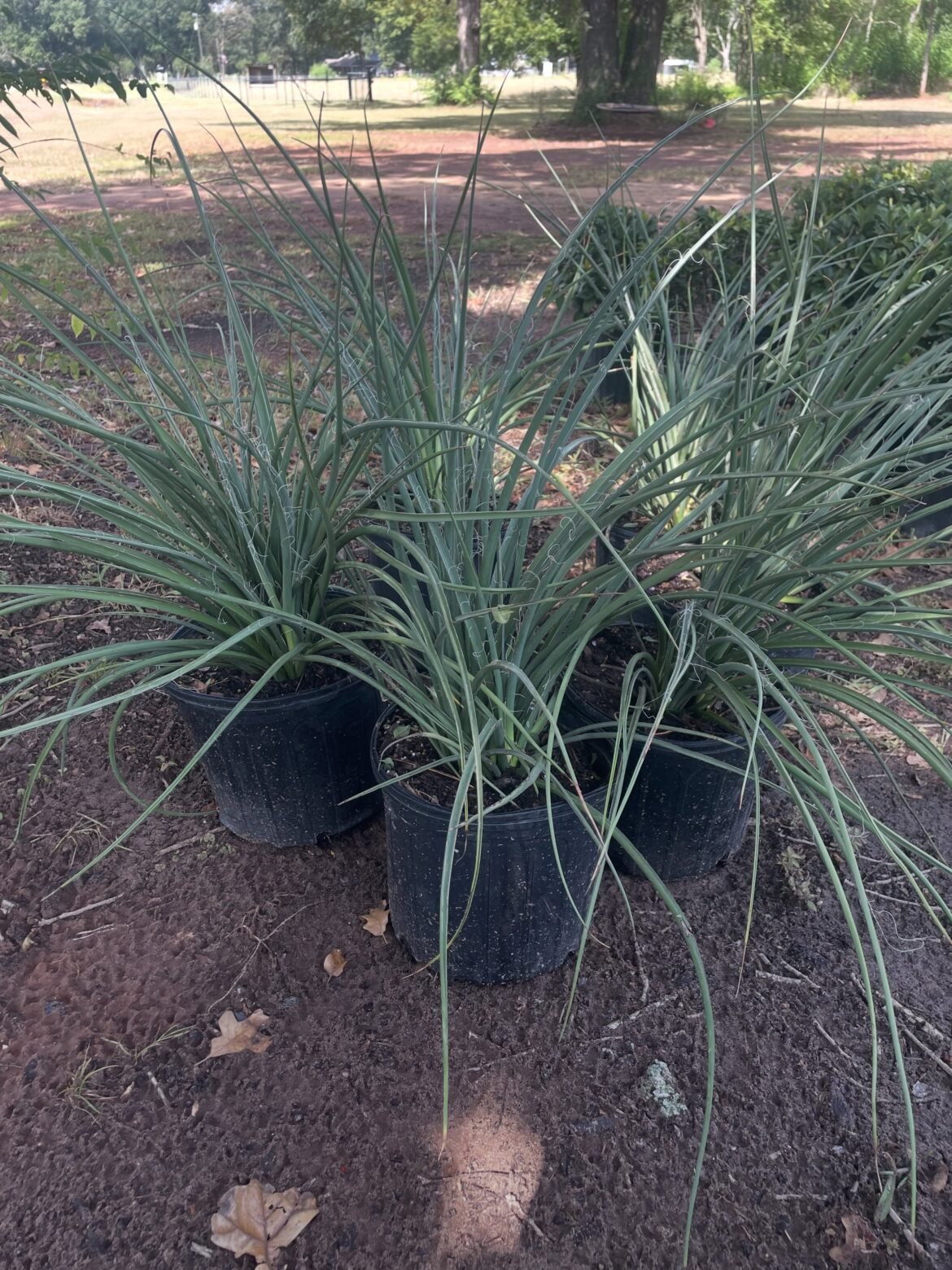
Hesperaloe parviflora, commonly called red yucca, is a remarkably tough evergreen succulent perennial. Despite its common name, it is not a true yucca.
Quick Care Guide
Light: Full sun to partial shade
Soil: Sandy, rocky, extremely well-drained soil
Water: Low
Fertilizer: Minimal
Pruning: Remove old leaves and flower stalks
Best Use: Xeriscaping, rock gardens, borders, specimens
Cold Hardiness: Excellent
Overview
Red yucca forms clumps of narrow, arching evergreen leaves and tall flower stalks carrying pink, red, or coral tubular flowers.
It is highly drought tolerant and is suitable for East Texas landscapes where drainage is good.
Light Requirements
Full sun is best.
Some partial shade is tolerated, but heavy shade reduces flowering and can produce weaker foliage.
Soil & Planting
Plant red yucca in exceptionally well-drained soil.
Sandy, rocky, or shallow soils are acceptable. Poor drainage is much more dangerous than poor fertility.
Watering
Water deeply while establishing.
Once established, red yucca requires little supplemental irrigation. Allow soil to dry substantially between waterings.
Fertilizing
Very little fertilizer is required.
Excessive fertilizer is unnecessary for this drought-adapted plant.
Pruning
Remove old flower stalks after flowering.
Individual damaged leaves can be removed at the base. Wear gloves because the leaf margins can be sharp.
Seasonal Care in East Texas
Winter: Remains evergreen and tolerates significant cold.
Spring: Remove winter-damaged leaves and flower stalks.
Summer: Water only as needed during prolonged drought.
Fall: Minimal maintenance is required.
Where to Find Quality Red Yucca
Gen1 Greenhouse offers red yucca for drought-tolerant East Texas landscapes.
Other Care Guides
See our other Gen1 Greenhouse guides for succulents and drought-tolerant landscape plants.