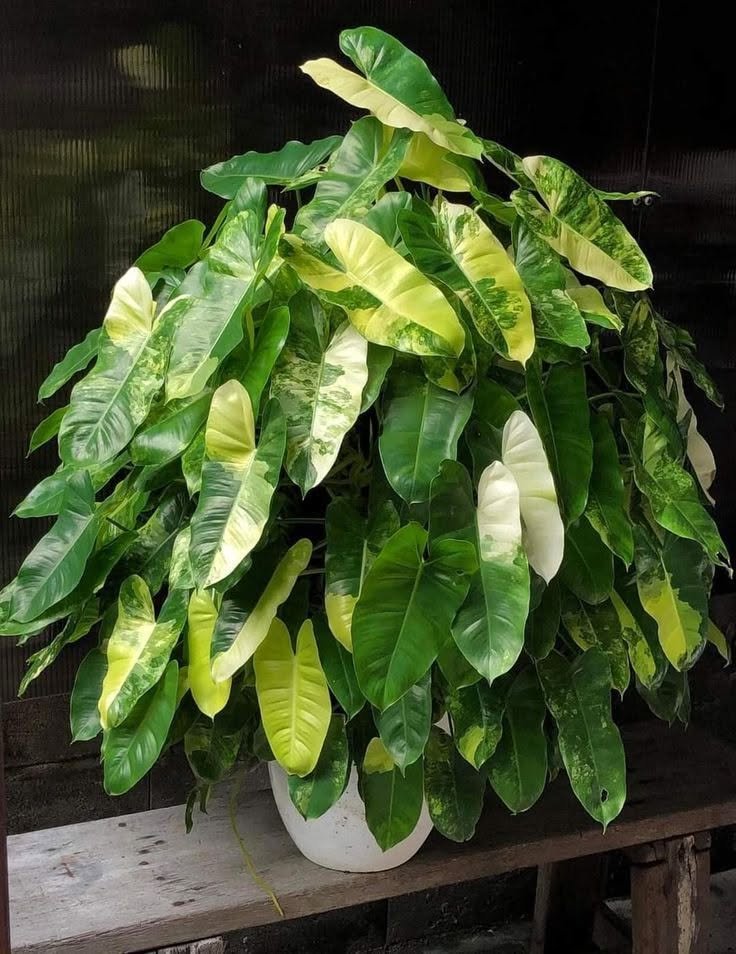
Philodendron bipinnatifidum, formerly known as Philodendron selloum and Thaumatophyllum bipinnatifidum, is a large tropical foliage plant with enormous deeply lobed leaves. It is commonly grown as a houseplant outside tropical climates.
Quick Care Guide
Light: Bright indirect light to filtered sunlight
Soil: Moist, rich, well-drained soil
Water: Keep moderately moist
Fertilizer: Regular feeding during active growth
Pruning: Remove damaged leaves
Best Use: Houseplant, patio container, tropical display
Cold Tolerance: Protect below approximately 60°F
Overview
Tree philodendron develops large, deeply lobed leaves and can eventually become a very large specimen. It prefers moist, organic, well-drained soil and moderate humidity.
Light Requirements
Bright indirect light is ideal indoors.
Filtered outdoor light works well during the warm season.
Intense direct afternoon sun can scorch the leaves.
Soil & Planting
Use a rich potting mix containing organic matter.
The soil should retain moisture without remaining saturated.
Watering
Keep the soil moderately moist.
Allow some drying between waterings, but do not allow the entire root ball to become bone dry. Overwatering can lead to root rot.
Fertilizing
Feed periodically during active growth with a balanced houseplant fertilizer.
Plants grown outdoors in warm weather may require more nutrition than indoor specimens.
Pruning
Remove yellow, damaged, or dead leaves at their base.
As the plant becomes large, older foliage can be selectively removed to maintain appearance.
Seasonal Care in East Texas
Winter: Move the plant indoors before temperatures become too cold. Extension guidance recommends moving it inside when temperatures drop below approximately 60°F.
Spring: Resume feeding and move plants outdoors gradually once temperatures remain warm.
Summer: Provide bright filtered light and regular moisture.
Fall: Bring the plant indoors before cool temperatures become persistent.
Pests & Diseases
Common pests include aphids, mealybugs, scale, thrips, and spider mites. Root rot can develop in excessively wet soil.
Safety
Philodendrons contain compounds that can irritate the mouth and digestive system if eaten. Keep the plant away from pets and children.
Where to Find Quality Philodendron
Gen1 Greenhouse offers large Philodendron selloum specimens for indoor and seasonal outdoor growing.
Other Care Guides
See our other Gen1 Greenhouse guides for tropical houseplants.