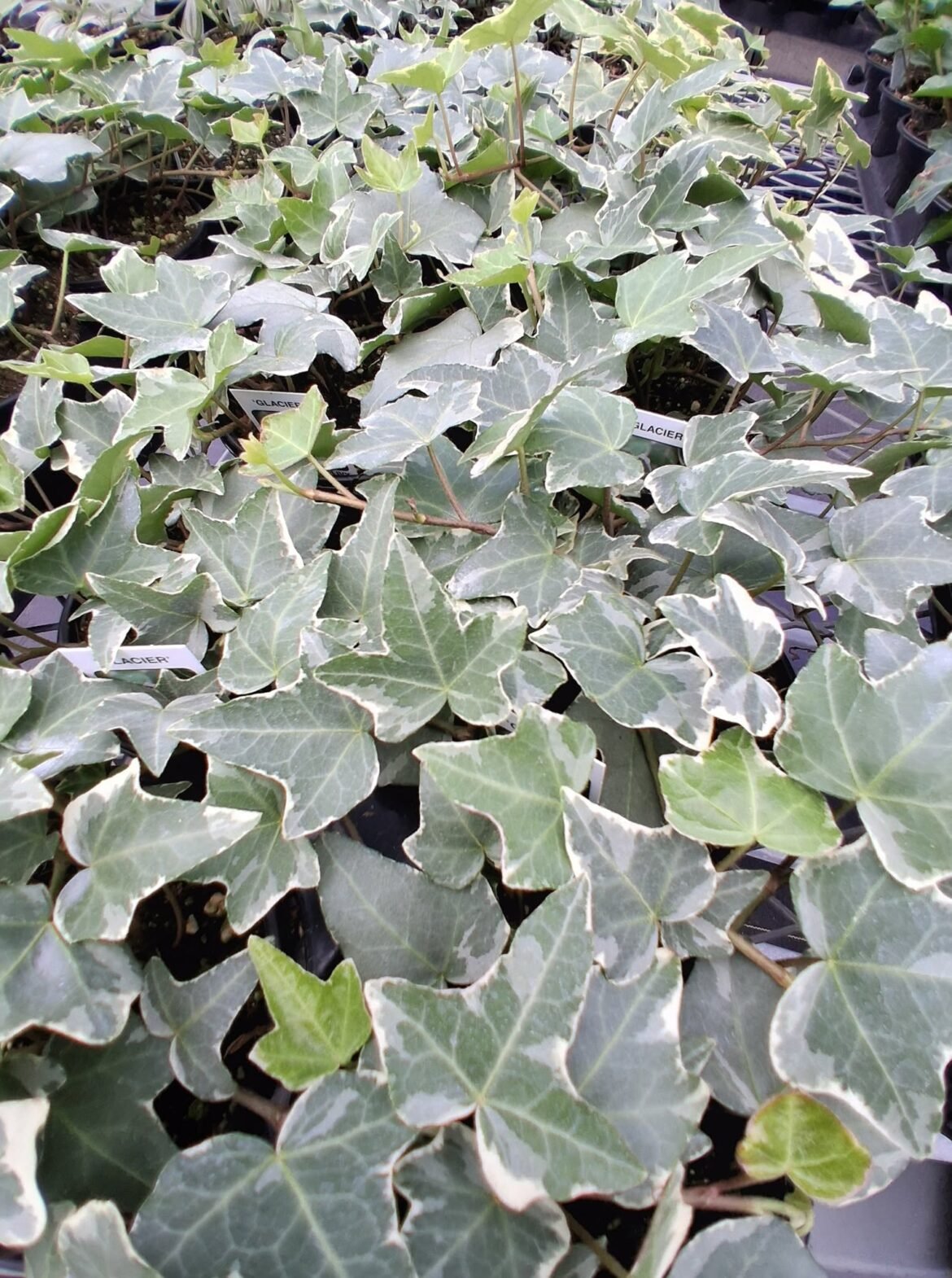
Hedera helix, commonly called English ivy, is a vigorous evergreen vine that is often grown for its attractive foliage and ability to spread across the ground or climb vertical surfaces. Variegated forms provide additional color and contrast in shaded locations.
English ivy can grow successfully in East Texas, but it should be planted thoughtfully because it can become extremely vigorous.
Quick Care Guide
Light: Partial shade to shade; some cultivars tolerate more sun
Soil: Well-drained soil with organic matter
Water: Keep evenly moist while establishing; moderate once established
Fertilizer: Light feeding during active growth
Pruning: Frequent pruning may be necessary to keep growth contained
Best Use: Containers, shaded areas, and controlled groundcover plantings
Important: Do not allow it to escape into natural areas
Overview
Hedera helix is an evergreen woody vine with juvenile stems that creep or climb and produce dense foliage. Mature portions of the plant develop a different growth habit and may produce flowers and berries.
English ivy tolerates a remarkably broad range of light and soil conditions, which is one reason it can become so vigorous.
Because of this aggressive growth habit, English ivy should be treated as a plant that requires management rather than a completely carefree groundcover.
Light Requirements
Variegated English ivy generally performs best with bright filtered light or partial shade.
Too much intense afternoon sunlight can scorch some variegated foliage, while extremely deep shade can reduce growth and cause the plant to become less dense.
A location receiving morning sun followed by afternoon shade is often excellent in East Texas.
Soil & Planting
Plant English ivy in well-drained soil. It can tolerate a broad range of soil conditions, but adding organic matter can improve establishment and moisture retention.
Avoid planting it directly adjacent to natural woodland edges unless you are prepared to control the vines carefully.
Containers are an excellent option when you want the foliage without allowing the plant to establish freely in the landscape.
Watering
Water newly planted ivy regularly until established. Once established, English ivy has some drought tolerance, but consistent moisture generally produces better foliage.
Allow the upper portion of the soil to begin drying before watering again rather than maintaining constant saturation.
Container plants will require more frequent attention, especially during East Texas summer heat.
Fertilizing
English ivy generally does not require heavy fertilization.
Apply a balanced fertilizer in spring if growth is weak or nutrient deficiencies are evident. Container plants can receive periodic light fertilizer applications during active growth.
Avoid excessive nitrogen, which can encourage overly vigorous growth.
Pruning & Maintenance
Regular pruning is the most important maintenance practice for English ivy.
Trim stems before they move into unwanted areas. Remove vines from trees, structures, gutters, and other locations where they are not intended to grow.
Because English ivy can climb trees and spread aggressively, avoid allowing it to establish in wooded or naturalized areas. Extension references warn that its vigorous growth can smother vegetation and damage structures.
Wear gloves when pruning because the plant’s sap can irritate sensitive skin.
Seasonal Care in East Texas
Winter: English ivy remains evergreen in East Texas. Inspect the plant for unwanted spread and perform cleanup as necessary.
Spring: Prune aggressively where necessary and apply a light fertilizer if growth is weak.
Summer: Monitor moisture, particularly in containers and areas exposed to hot afternoon sun.
Fall: Continue controlling runners before they become established in unwanted areas.
Growing English Ivy in Containers
Container culture is strongly recommended when you want English ivy without allowing it to spread throughout a landscape.
Use a quality potting mix and a container with drainage holes. Hanging baskets and decorative containers can display variegated foliage particularly well.
Trim the stems regularly to maintain the desired shape.
Pests & Diseases
Potential problems include aphids, mealybugs, mites, caterpillars, loopers, and scale. Leaf spots, cankers, stem rots, and powdery mildew may also occur.
Good air circulation and avoiding unnecessary leaf wetting can help reduce disease pressure.
Where to Find Quality Hedera helix
Gen1 Greenhouse offers variegated Hedera helix for gardeners looking for an attractive foliage plant for containers or controlled landscape settings.
Other Care Guides
See our other Gen1 Greenhouse care guides for more information on growing shade plants and evergreen groundcovers in East Texas.