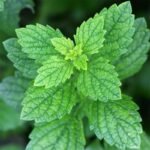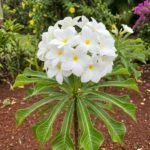
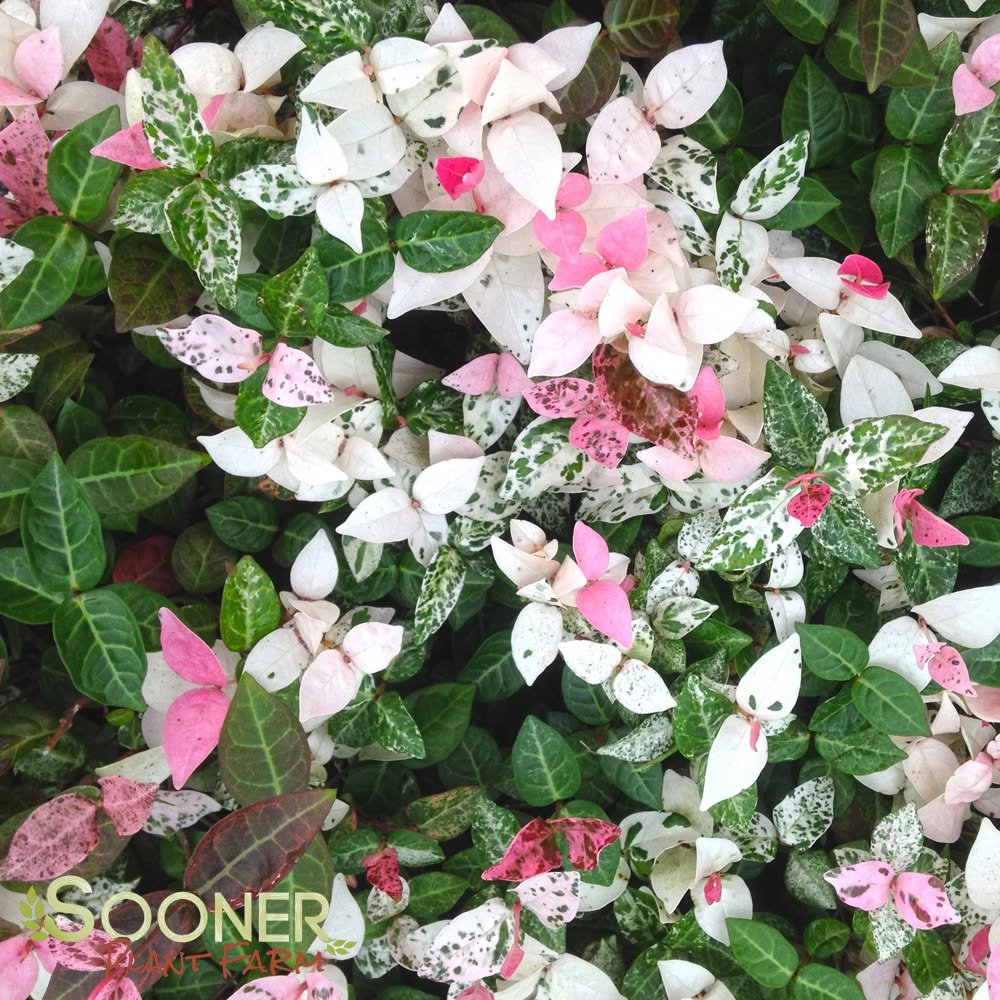
Trachelospermum asiaticum, commonly called Asian jasmine or Asiatic jasmine, is a versatile evergreen groundcover and vine for East Texas. It produces glossy foliage, fragrant flowers, and can be trained either as a low groundcover or upward onto a support.
Quick Care Guide
Light: Full sun to partial shade
Soil: Average to fertile, well-drained soil
Water: Water regularly until established; drought tolerant once established
Fertilizer: Light annual feeding
Pruning: Prune in late winter or early spring
Best Use: Groundcover, slopes, containers, trellises, and fences
Cold Hardiness: Well adapted to East Texas
Overview
Trachelospermum asiaticum is a fast-growing evergreen plant valued for both its dense foliage and fragrant flowers. It can remain relatively low when used as a groundcover but can also climb when given support.
It is particularly useful in East Texas landscapes because it tolerates heat and a range of light conditions while requiring comparatively little maintenance after establishment.
Light Requirements
Asian jasmine performs well in full sun to partial shade.
Full sun generally produces denser growth and more flowering, while partial shade can be useful in locations where the afternoon heat is especially intense.
For groundcover beneath trees, filtered sunlight can provide an excellent balance.
Soil & Planting
Plant Asian jasmine in well-drained soil.
Although it tolerates average soil, incorporating organic matter before planting can improve establishment, particularly in compacted or nutrient-poor areas.
Space individual plants according to the desired rate of coverage. Avoid planting directly against the trunks of trees and shrubs.
Watering
Water new plantings regularly until the root system is established.
Once established, Asian jasmine is relatively drought tolerant, but occasional deep watering during prolonged East Texas drought will maintain better growth.
Avoid constantly wet soil.
Fertilizing
Asian jasmine generally requires only modest fertilization.
A balanced slow-release fertilizer applied during spring can support healthy growth. Excessive fertilizer is unnecessary and can encourage growth beyond the desired area.
Pruning & Maintenance
Asian jasmine responds well to pruning.
For groundcover plantings, trim the edges as necessary to keep the planting within its intended boundaries. Larger areas can be cut back in late winter or early spring before the strongest new growth begins.
Remove damaged or dead stems as needed.
When trained vertically, direct young stems toward the trellis, fence, or arbor. Its twining habit can eventually allow the plant to cover the support.
Seasonal Care in East Texas
Winter: Asian jasmine remains evergreen through most East Texas winters, although occasional cold weather can cause some foliage damage.
Spring: This is an excellent time for major pruning and fertilization.
Summer: Water newly established plantings during prolonged dry weather. Established plants generally require little supplemental water.
Fall: Continue occasional maintenance trimming and clean up any damaged foliage.
Growing Asian Jasmine in Containers
Asian jasmine can be grown in large containers, especially where its trailing habit can spill over the edges.
Use a well-drained potting mix and a container with drainage holes. Container plants require more frequent watering than plants in the ground.
Pests & Diseases
Asian jasmine is generally considered a relatively low-maintenance landscape plant, but monitor crowded plantings for scale insects, aphids, fungal leaf problems, and other common ornamental pests.
Maintaining proper spacing and avoiding excessive irrigation can help reduce problems.
Where to Find Quality Trachelospermum asiaticum
Gen1 Greenhouse offers Asian jasmine for East Texas landscapes, containers, and evergreen groundcover applications.
Other Care Guides
See our other Gen1 Greenhouse care guides for information on evergreen groundcovers and vines suitable for East Texas.